TCP/IP vs UDP: Deep Dive
The TCP 3-Way Handshake
Before any data is sent, TCP establishes a reliable connectionusing a 3-way handshake.
Handshake Steps
- SYN: Client says "I want to connect"
- SYN-ACK: Server says "OK, I acknowledge, let's connect"
- ACK: Client says "Great, connection established!"
TCP Flow Control
TCP uses a sliding window mechanism to control data flow and avoid overwhelming the receiver.
Acknowledgment (ACK)
Receiver confirms each packet. Lost packets are retransmitted automatically.
Congestion Control
TCP slows down when network is congested (packet loss detection).
When to Choose UDP
UDP has no error checking, no ordering, no handshake. But it's incredibly fast. Perfect when speed matters more than reliability.
- Video Calls (Zoom, WebRTC): A few dropped frames are fine, latency is not
- Online Gaming: Old position data is useless, speed is critical
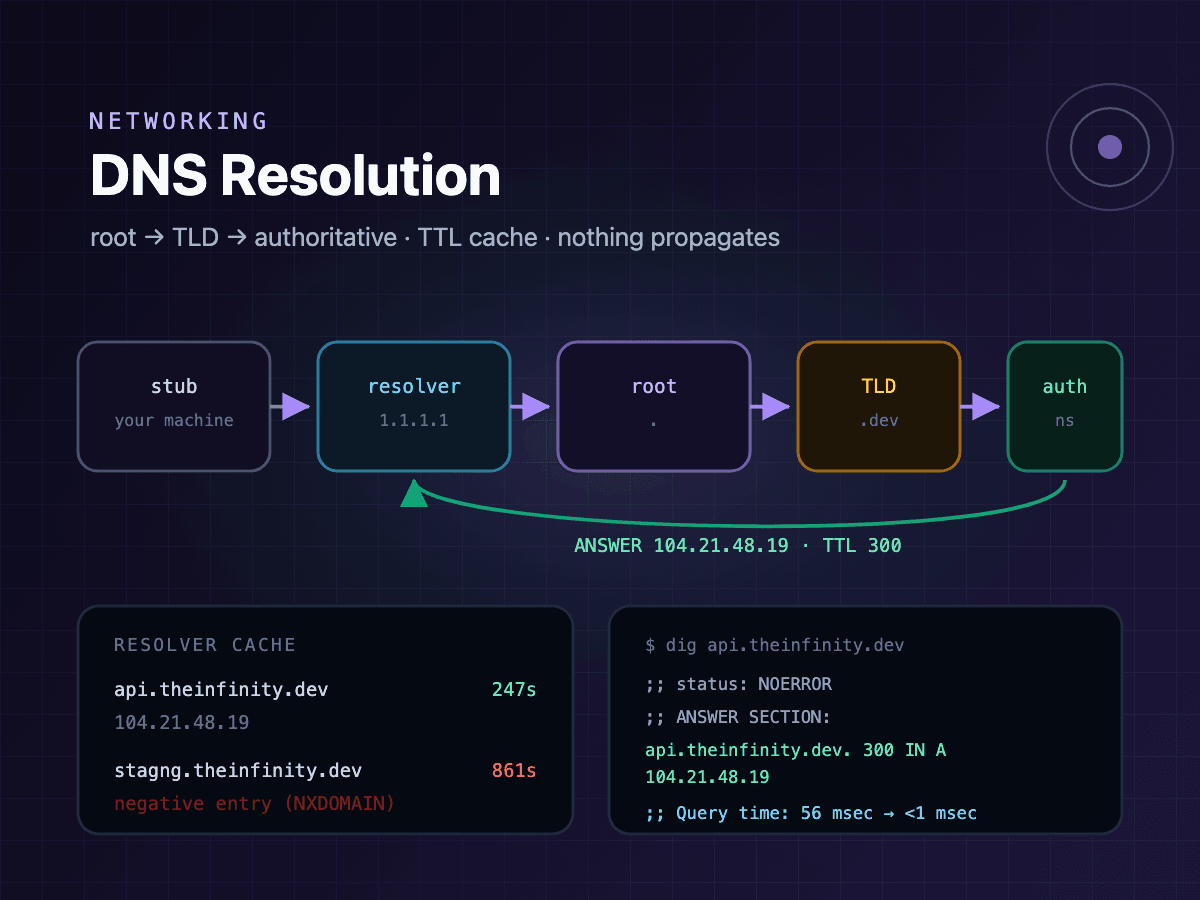
- DNS: Simple request-response, no need for connection overhead
- IoT Sensors: Lightweight, battery-efficient communication
💡 Modern protocols like QUIC (used by HTTP/3) are built on UDP but implement their own reliability layer!